
An interview with Mr Emmanuel VANZEVEREN,
Co-Director of Wagralim
Could you remind us of Wagralim’s key figures and strategy?
The Walloon agri-food competitiveness cluster Wagralim has 312 members, 98 projects approved by the Walloon Government, 266 products, services or processes and 22 patent applications. The cluster’s strategy is based on innovation and the construction of a strong collaborative network serving a majority of SMEs and a few big companies in the sector. Wagralim aims to support them in their development and transition. The challenge is to adopt a global vision of innovation: products, processes, raw materials, packaging… All these parameters will undergo major upheaval over the next 5 years. To have an impact and be relevant, we need to promote innovation that encompasses science, technology, sales, distribution, and even the way SMEs work with their partners, suppliers and customers.
What are the salient features of the agri-food industry in Wallonia?
In 2025, Wallonia’s agri-food sector generated over €11.6 billion in sales, including €6.5 billion in exports, more than €508 million in investment, 25,906 direct jobs and 1,615 employers. Open to international markets, the sector is also strongly focused on innovation, sustainability and competitiveness. This forward-looking dynamic is reflected in food biotechnologies. Wagralim recently gathered more than 100 stakeholders to present its study on the topic and discuss Wallonia’s potential. Three priorities emerged: biosolutions for agriculture and agri-food, human nutrition and health, and animal nutrition.
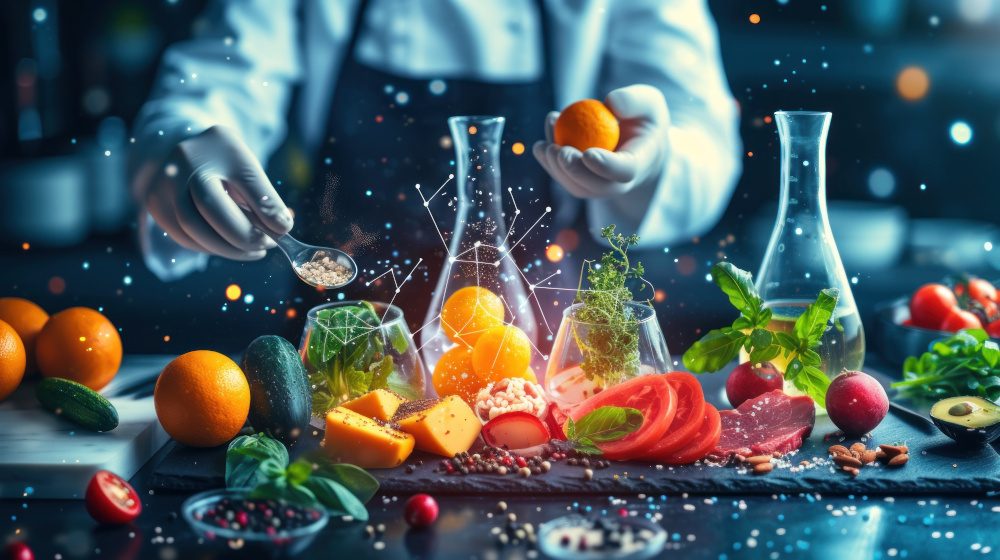
The main challenge is now to structure, secure and industrialise this potential, notably through derisking, scale-down approaches, earlier investor involvement and the use of AI tools such as modelling, simulation, sensors and digital twins. This ambition is fully aligned with the priorities supported by the Walloon Government, which sees agri-food innovation as essential for sovereignty, industrialisation and health.
What is the general objective behind all the projects awarded the Wagralim label?
Energy efficiency is a constant concern. It is no longer acceptable for a company to generate too much waste or emit too much CO2. Digitisation and artificial intelligence need to be harnessed to improve the control and efficiency of production processes: that’s how an SME will judge the added value of an innovation and be inclined to adopt it. We are also working to make water use more circular. With this in mind, we are setting up studies that will enable us to establish the state of the art and propose concrete solutions for reducing the sector’s water footprint. For example, wastewater can be used as a source of energy or to irrigate crops. Similarly, Wagralim is very interested in recycling side streams into high added-value products with a high environmental value.
Could you give us a few examples of projects approved by the cluster?
Let’s focus on a brand-new project: ABC to Food. The aim of the “ABC to Food” project is to develop outlets for 8 crops of interest that form part of a long and varied crop rotation providing ecosystem services to farms and, by extension, to the environment. To achieve this, the industrial partners Bionat, Copains, Puratos and Meurens Natural have committed to developing recipes based on these raw materials, the research centers to conducting agronomic trials in regenerative agriculture, the laboratories to supporting the research by characterizing the raw materials, and Farm for Good to testing large-scale feasibility in real time on the network’s farms. At the end of the 4-year project, distinctive food products derived from regenerative agriculture will be marketed, while impact measurement tools will demonstrate the relevance of the approach from an ecological point of view. The “ABC to Food” project aims to demonstrate that it is possible to relocate the supply of large industrial volumes produced according to ecologically responsible farming practices. The initiative encompasses research, product development and farm economics, focusing on innovation at every stage of the food chain.
Could you give us a few examples of companies recently supported by Wagralim in their innovation projects?
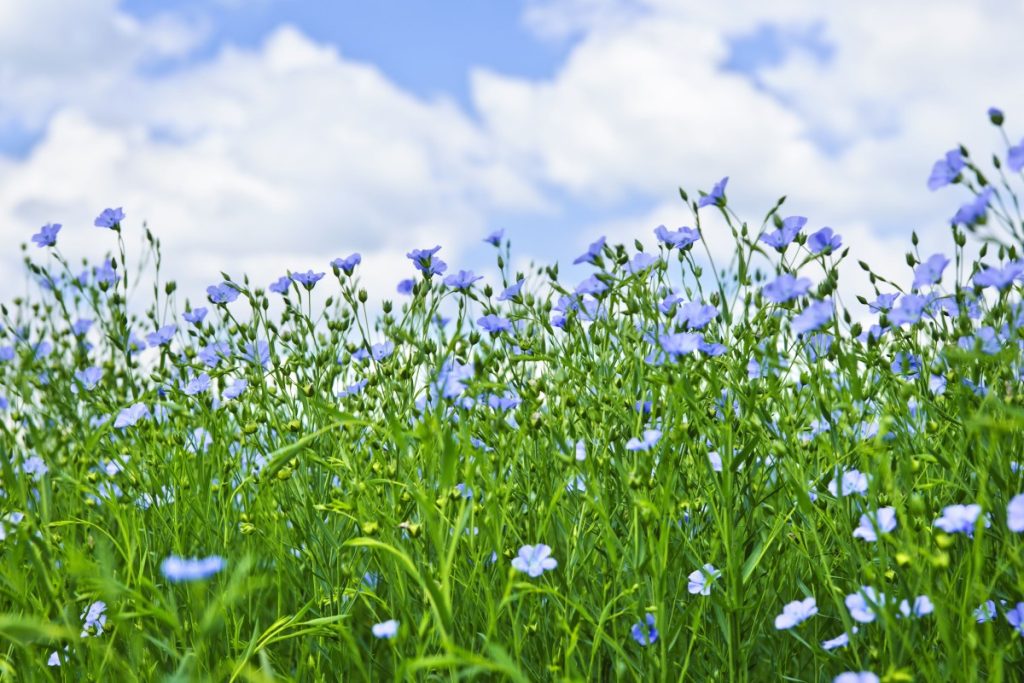
BelgOléo brings together Vandeputte Huilerie SA, CultivAé, UCLouvain – Cétral and CRA-W to build a local regenerative oilseed flax value chain in Belgium. Vandeputte Huilerie SA contributes its industrial expertise in flax processing, while CultivAé structures the agricultural supply chain with farmers around regenerative practices. Scientific partners UCLouvain – Cétral and CRA-W support the project by assessing nutritional benefits, quality and food safety. The project aims to turn Belgian flax into a sustainable, healthy and locally sourced ingredient for future food products.
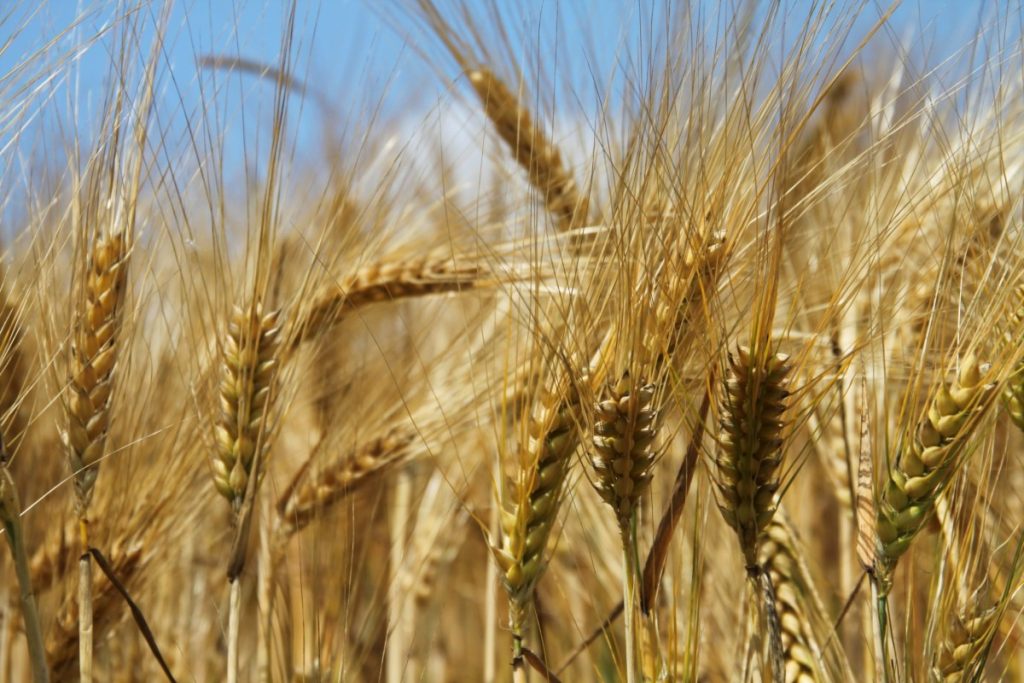
ELITHE is a collaborative project labelled by Wagralim and Greenwin that explored the use of enzymes to develop sustainable biocontrol solutions for crop protection. The project brought together two Walloon companies, Syngulon and FytoFend, alongside three university laboratories: URBM-UNamur, MiPI-FUSAGx and PEPs-ULiège. Together, they worked on producing enzymes able to break down natural polysaccharides and generate bioactive oligosaccharides. One of the key results was the identification of an oligosaccharide composition able to significantly protect wheat against septoria, a major fungal disease. For the companies involved, ELITHE opens new market opportunities in sustainable agriculture and biocontrol.
What European projects are you involved in?
Since 2018, Wagralim has strengthened its position on the European scene to create a meaningful impact in Wallonia. The strategy operates on two levels:
(1) the cluster itself responding to specific EU calls in order to bring knowledge and direct funding to research/economic actors in Wallonia;
(2) catalysing the presence of Walloon research/economic actors on the EU scene by integrating them directly in the targeted calls.
The cluster is actively engaged in several European partnerships, such as European S3 community, CBE JU, EIT Food, FutureFoodS, European Bioeconomy Clusters Alliance, and others. These involvements have helped Wagralim gain valuable knowledge and experience on the European stage, which have contributed to the regional S3 strategies. As a result, Wagralim coordinated the Regional strategic innovation domain n°5 Agri-food chains of the future and innovative management of the environment with 6 Innovation initiatives under.
Additionally, Wagralim has developed a roadmap outlining the regional Food System vision by 2035 and is currently developing a roadmap and action plan on agrifood biotechnology. In summary Wagralim is:
(1) leading a European S3 Partnership to develop innovative ingredients for the agri-food sector and valorising agri-food side streams for cross-sector applications while promoting circularity; leading a European S3 Partnership to develop and support biosolutions for a sustainable agriculture;
(2) part of the European partnership on food packaging;
(3) part of the European partnership on the digitisation of the agri-food system;
(4) part of the European partnership on food as a vector for health;
(5) part of the European Bioeconomy Clusters Alliance;
(6) member of BIC;
(7) member of EIT Food;
(8) contributor to the FutureFoodS partnership.
The cluster is currently involved in 8 European projects, either as the main coordinator or as a partner. With this European development strategy, Wagralim covers essential cross-functional themes for the agri-food sector, making the cluster a key Walloon player in innovation.
What do you see as the main challenges facing the Walloon agri-food industry?
The main challenges for our sector are to create greater added value, resilience, and robustness in a sustainable manner while operating in an open economy. Innovation is essential throughout the entire value chain. We must prepare for climate deregulation by developing new value chains and reducing or replacing inputs in primary production. In industry and food processing, we need to implement solutions to minimize energy and water use, reduce waste and CO2 emissions, and enhance circularity. Addressing both priorities – fostering greater naturality and harnessing advanced technologies such as digitalization and biotechnologies – is crucial for sustainable progress. Of course, all improvements must be developed while ensuring quality, excellent taste, and high nutritional value.
